
Views: 0 Author: Site Editor Publish Time: 2026-09-04 Origin: Site


Sourcing an Off Road Flag Whip in bulk amplifies both cost savings and severe procurement risks. Rental fleets, mining operations, and off-road park retailers rely heavily on these visibility tools every day. You might assume a broken pole is a minor issue. However, a minor manufacturing flaw in a single unit rapidly becomes a systemic operational failure at scale. These structural failures lead to unexpected replacement costs, strict safety compliance violations, and extensive vehicle downtime. Fleet managers often experience the frustration of grounding expensive equipment simply because a low-quality mount snapped mid-shift.
You must shift your procurement focus from upfront invoice pricing to long-term physical reliability. We will help you identify the most common manufacturing shortcuts in the industry today. You will learn exactly how to build a rigorous evaluation framework for potential suppliers. Let us explore the primary sourcing mistakes you must avoid to keep your fleet safe and operational.
Material fatigue is predictable: Understanding the difference between cheap hollow fiberglass and resin-reinforced solid cores prevents 80% of snapping failures.
Mounting hardware dictates lifespan: Vibration resistance at the base is a more critical evaluation metric than the flexibility of the pole itself.
Compliance is mandatory, not optional: Failing to verify site-specific height and visibility regulations (OSHA, MSHA, or specific dune park rules) renders bulk purchases useless.
Sample testing is non-negotiable: Never commit to a bulk order without empirical field testing of a sample unit under actual operational stress.
Buying the lowest-priced procurement option often results in massive financial losses over time. Constant replacement cycles quickly erase any initial savings. When you buy cheap safety flags in bulk, you invite systemic failure. You must define your success criteria carefully. Evaluate your costs based on a full 12-month lifecycle rather than the initial invoice price.
The implementation reality hits hardest in the maintenance bay. You must factor in the labor costs of your maintenance teams. They spend valuable hours repeatedly swapping out broken whips. A pole might cost ten dollars to replace, but the mechanic's time costs far more. You also lose money through downed operational vehicles. A grounded rental UTV cannot generate revenue. A sidelined mining truck halts daily productivity.
Focus your bulk sourcing strategy on durability and sustained field performance. Ask potential suppliers for documented failure rates. You want gear built to survive extreme conditions. Prioritizing longevity over cheap initial costs ensures your fleet stays active. It keeps your labor budget predictable. It ultimately protects your bottom line from hidden maintenance drains.
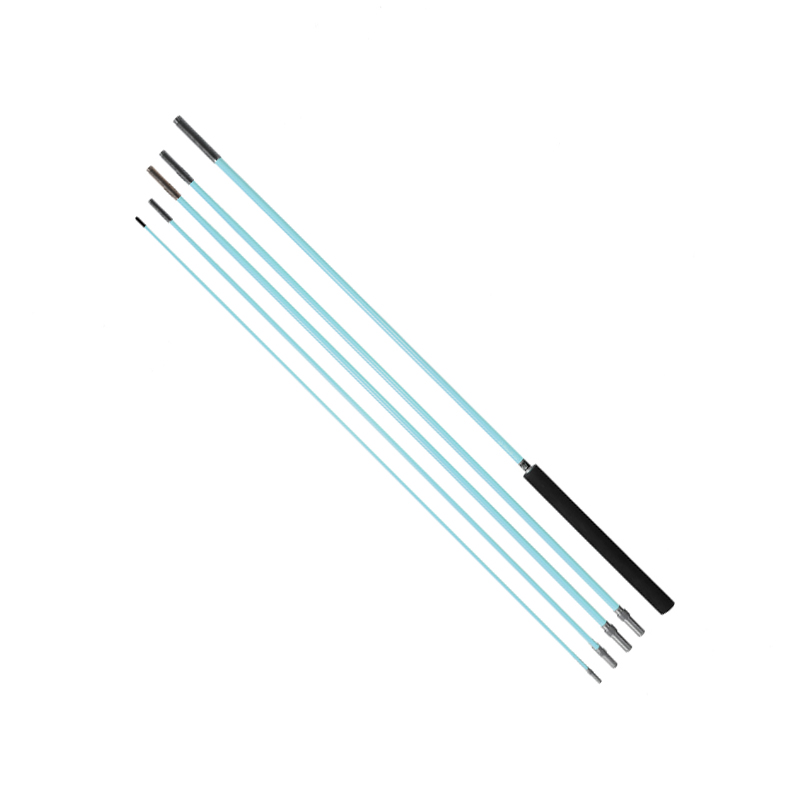
Material science plays a definitive role in fleet safety. You cannot assume all fiberglass handles high-velocity wind drag equally. Branch strikes test the absolute limits of poor manufacturing. Many buyers overlook the structural core of the pole. This oversight guarantees premature snapping in rough terrain.
Hollow PVC and low-grade fiberglass splinter rapidly under repeated stress. They lack internal density. Conversely, solid resin-epoxy blends distribute kinetic energy efficiently. A solid core absorbs impacts without fracturing the outer layers. You must demand solid structural cores for heavy-duty applications. Hollow designs might save shipping weight, but they fail constantly in the field.
You must also evaluate the critical "whip" threshold. Overly rigid poles snap upon sudden impact. Overly flexible poles create hazardous rebound effects. A hyper-flexible pole can whip back and strike vehicles or personnel. Look for manufacturers supplying exact bend-radius specifications. You want a controlled flex rating.
Common mistakes during material evaluation include:
Accepting generic "fiberglass" labels without requesting the specific material composite.
Ignoring the thickness of the outer protective wrap.
Failing to test poles under cold weather conditions, where cheap plastics turn brittle.
Material Type | Impact Resistance | Flexibility Control | Best Application |
|---|---|---|---|
Hollow PVC | Low | Poor (Prone to extreme whipping) | Light duty, low-speed recreation |
Standard Fiberglass Tube | Medium | Moderate (Splinters over time) | Temporary usage, flat terrain |
Solid Resin-Epoxy Blend | High | Excellent (Predictable bend radius) | Mining, high-speed rental fleets |
Vibration fatigue destroys mounts long before the pole itself breaks. The primary cause of field failure involves the base snapping. Bases also frequently vibrate loose from the vehicle chassis. Heavy machinery and off-road environments produce high-frequency vibrations. These vibrations target the weakest metal components mercilessly.
You must assess the machining tolerance of quick-release mounts. Cheap cast alloys warp rapidly after repeated use in dust and sand. A warped quick-release mount becomes impossible to detach safely. You should standardize your fleet on CNC-machined aluminum bases. Stainless steel provides excellent durability as well. CNC machining ensures precise threading. Precise threads resist loosening under extreme chassis vibration.
Risk mitigation requires proactive hardware choices. Verify your supplier uses heavy-duty spring mounts. Spring mounts absorb violent impacts before energy reaches the rigid chassis. Rubber dampeners also isolate high-frequency vibrations effectively. Always check the bolt grades used in the base assembly. Grade 8 steel bolts prevent shearing under heavy lateral loads.
If you manage a daily rental fleet, high-tolerance quick-release bases save hours of labor. However, for continuous mining operations, hard-mounted threaded steel bases offer superior security. Match your mounting hardware to your operational daily rhythm.
If you source illuminated variations, you face completely different durability challenges. Water and dust ingress guarantee electrical failure without proper sealing. You must evaluate the physical housing protecting the delicate LED strips. Mud, rain, and power washing will destroy unsealed circuitry instantly.
Do not accept uncertified "waterproof" marketing claims. You must require strict IP67 or IP68 certification for bulk orders. IP68 certification ensures the unit survives continuous submersion and blocks micro-dust particles. Demand official testing documents from your supplier before placing massive orders.
Encapsulation quality varies wildly across manufacturers. Cheap brands use thin heat-shrink tubing over LED strips. Heat-shrink tubing degrades rapidly in harsh UV light. It yellows, cracks, and lets moisture inside. Specify thick, UV-resistant silicone for your Off Road Flag Whip purchases. EVA transparent tubing also fully encapsulates the circuitry effectively. It remains flexible in freezing temperatures and resists sun damage.
Finally, inspect wiring vulnerabilities. Check the precise stress relief point where wiring exits the mounting base. Over 90% of electrical shorts occur right at this exit hole. Without a rubber grommet or heavy silicone potting, constant swaying severs the internal copper wires. Insist on reinforced stress relief components at the base connection.
A massive business problem arises when purchasing non-compliant equipment. Imagine receiving a container of whips only to realize they fail regional safety standards. Industrial worksites and recreational parks strictly enforce visibility rules. Ignorance of these rules wastes your entire procurement budget.
Industrial and mining standards often follow strict OSHA or MSHA guidelines. Vehicles usually require specific visibility heights. Common regulations demand pennants sit exactly 8 to 10 feet from the ground. They also mandate specific flag colors, such as high-visibility orange or lime green. Many worksites require reflective X-patterns on the pennant fabric for night visibility. If your bulk order falls a foot short, safety inspectors will sideline your fleet immediately.
Recreational park rules are equally rigid. Many state-run dune parks mandate exact pennant sizes. A common requirement specifies a 6x12-inch rectangular flag. Some jurisdictions prohibit certain mounting locations on the roll cage. They may also ban solid red lights if they mimic emergency vehicle signals.
Cross-reference the supplier’s standard dimensions against your operational jurisdiction's legal requirements. Do this before issuing any purchase order. Send your local compliance checklists to the manufacturer. Ask them to confirm dimensional and color accuracy in writing.
You need a skeptical evaluation framework to source reliable equipment. Move past glossy marketing brochures. Ask directly for engineering specifications, material data sheets, and historical failure rates. Legitimate manufacturers share this data willingly.
Warranty transparency reveals a supplier's confidence. A reputable supplier offers at least a 12-month defect warranty. This standard applies even on large bulk B2B orders. You must clarify what exactly constitutes "normal wear and tear." Some warranties void instantly if the pole shows brush scratch marks. You need a warranty covering actual operational conditions.
The pilot test serves as your non-negotiable next step. Never blindly order thousands of units.
Require a 3-to-5 unit sample batch from the shortlisted vendor.
Mount them to your most heavily used fleet vehicles.
Subject them to a brutal 30-day field test involving high speeds and brush impacts.
Hit the mounts directly with high-pressure commercial power washers.
Inspect the internal wiring and base threads for any signs of degradation.
Finally, verify scalability and lead times. Ensure the vendor maintains domestic warehousing. If they ship directly from overseas, confirm reliable freight schedules. You cannot afford to run out of inventory mid-season just because a cargo ship faced delays.
Sourcing an Off Road Flag Whip at scale requires diligent technical evaluation. You must prioritize structural integrity, mount vibration resistance, and environmental sealing. These factors matter far more than mere aesthetics or bottom-dollar pricing. A cheap upfront price often masks fragile components.
Treat these visibility flags as critical safety and compliance infrastructure. They are not just disposable vehicle accessories. When they fail, operations halt and safety risks multiply.
Audit your current fleet’s failure points immediately. Look at broken mounts, torn flags, and shorted wires. Use those exact failure metrics to build a strict technical requirement sheet. Submit this sheet during your next supplier RFP to guarantee superior product delivery.
A: Typically ranges from 50 to 500 units depending on the level of customization (e.g., custom flag printing vs. custom pole lengths).
A: Mount it to a fleet vehicle, subject it to typical highway transit speeds (wind drag test), run it through standard operational terrain for vibration analysis, and inspect the base and wiring for stress marks after 30 days.
A: Generally, standard solid fiberglass whips have a higher physical impact tolerance. LED whips require strict IP68 sealing and flexible silicone tubing to survive similar industrial conditions.
A: Hard-mounted threaded steel bases with spring dampeners offer the highest security for industrial use, while high-tolerance CNC-machined quick-release bases are preferable for recreational rental fleets needing fast daily swaps.


