
Views: 0 Author: Site Editor Publish Time: 2026-08-04 Origin: Site


Driving through sand dunes presents one of the most thrilling off-road experiences available. It also introduces a highly volatile environment. Blind crests, unpredictable terrain, and high-speed cross-traffic create serious collision risks. When you crest a steep dune, you cannot see over the other side. Oncoming drivers cannot see you either. This brings us to a harsh reality. An off-road flag is never just a cosmetic accessory for your rig. It serves as a non-negotiable safety requirement to protect everyone on the sand. In almost all managed OHV areas, it remains a strict legal mandate. Park rangers enforce these rules relentlessly. Our guide will help you evaluate the right setup for your vehicle. We will explore how to navigate strict park compliance rules. You will also learn how to choose reliable mounting hardware. This knowledge helps you avoid frustrating trail failures and keep your focus on driving.
Physics dictates the unique dangers of dune driving. Approaching a steep dune apex creates a massive blind spot. You cannot see oncoming vehicles. They cannot see you. A tall flag breaches the crest before your hood does. This fraction of a second prevents catastrophic head-on collisions. Park officials understand this math perfectly.
Managed dune areas enforce strict OHV compliance. Locations like Silver Lake in Michigan or Glamis in California take safety seriously. Park rangers actively check flag dimensions at the entry gate. Failure to comply results in immediate denied entry. Sometimes, rangers issue hefty fines. You cannot argue your way past these standardized checks.
Regulations follow a universal baseline across most parks. You typically need a 1/4-inch fiberglass pole. The rules demand a specific flag height. This usually measures exactly 10 feet from the sand to the tip. They also require a brightly colored pennant. This pennant typically measures 6 by 12 inches. It must feature solid safety orange or red. Faded pink or muddy yellow pennants will fail inspection.
| Park or Region | Required Height (From Ground) | Pennant Color | Pennant Size |
|---|---|---|---|
| Silver Lake State Park (MI) | 10 feet minimum | Solid Orange | Rectangular minimum enforced |
| Imperial Sand Dunes (Glamis, CA) | 8 feet minimum | Red or Orange | 6 x 12 inches minimum |
| Coral Pink Sand Dunes (UT) | 8 feet minimum | Red or Orange | 6 x 12 inches minimum |
Drivers must choose between traditional fiberglass models and modern illuminated setups. Each category serves a distinct purpose depending on your driving habits.
Traditional fiberglass flags offer incredible durability. They are lightweight and boast a low cost. They require absolutely zero wiring. You simply mount them and drive. However, they become entirely useless for night runs. They also offer limited aesthetic appeal for custom builds. These traditional options work best for daytime-only drivers. They suit strict budget builds perfectly. They excel in rigorous, high-impact off-roading scenarios where roll-overs remain possible.
LED whip flags solve the nighttime visibility problem. They prove crucial for night runs. They help immensely with group tracking across dark expanses. Modern controllers make them highly customizable via smartphone apps. On the downside, they weigh significantly more. They require complex electrical routing through your vehicle cabin. They also suffer from a significantly higher failure rate if you buy poorly manufactured units. LED flags work best for overlanders camping in the dunes. They are ideal for dedicated night riders. UTV or SxS owners frequently prefer them.
| Feature | Traditional Fiberglass | LED Whips |
|---|---|---|
| Durability | Extremely high | Moderate |
| Visibility | Daytime only | Day and night |
| Installation | Simple mechanical mount | Requires complex wiring |
| Best Use Case | High-impact daytime runs | Night riding and group tracking |
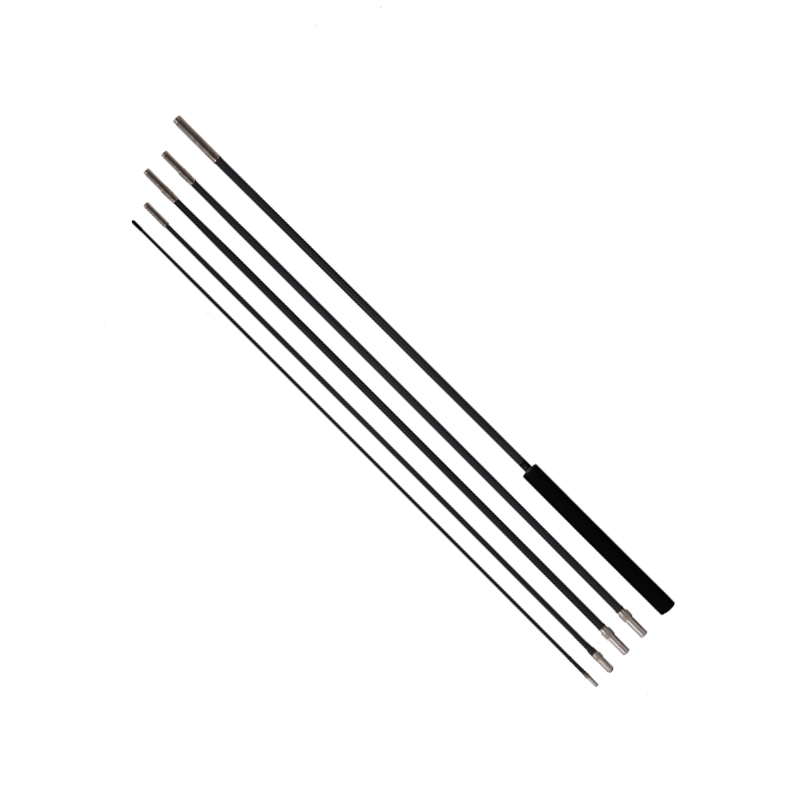
Evaluating your gear requires understanding exactly how the rules apply to your rig. You must calculate your total height accurately. Pole length does not equal flag height. A 4-foot pole on a lifted Bronco's roof rack easily meets the 10-foot rule. However, a 4-foot pole mounted on a front bumper will fail inspection instantly. Always measure from the ground up.
Consider these precise measurement steps:
Mounting base technology represents another critical choice. We strongly advocate for quick-release mounts. Fixed bolted mounts feel tedious at air-down stations. They also risk snapping on low-clearance trails during your drive home. Quick-release bases are the industry standard for frequent dune drivers.
When selecting Off-Road Whip Flags, you must balance flexibility and rigidity. Analyze the pole materials carefully. If a pole is too rigid, the mount will snap under sudden stress. If it is too flexible, the flag will aggressively whip your vehicle's paint at high speeds. Find a medium-flex material designed specifically for wind resistance.
Where you mount your flag dictates how well it performs. Front bumper or tow hook mounting offers the safest location for dune cresting. The flag breaches the apex before the vehicle's hood ever appears. Rear bumper or spare tire carrier mounting remains more common. It provides an easier path for wiring LED setups. It also keeps the pole out of your direct line of sight. However, rear mounting delays your visibility over a crest by a crucial fraction of a second.
Different vehicles require unique mounting strategies to ensure stability:
Choosing the right location prevents body damage. It also ensures your equipment survives brutal off-road conditions. Always double-check clearance before committing to a final mounting spot.
Even premium gear fails if installed incorrectly. The most common error is the "highway drive" mistake. Driving at highway speeds while your dune flag remains attached causes severe stress fractures. These fractures occur directly at the mounting base. Flags must stay stowed until you reach the staging area. Never leave them up on the interstate. The continuous wind drag will eventually snap the fiberglass or ruin the quick-release mechanism.
Wiring vulnerabilities plague many LED installations. Exposed wiring harnesses at the rear bumper remain highly vulnerable. Sand intrusion destroys cheap connectors rapidly. Tire roost acts like sandpaper against basic wire loom. We recommend using marine-grade heat shrink on all electrical connections. Ensure proper loom routing along the frame. Use heavy-duty zip ties to keep everything tight. This protects the system against abrasive sand and moisture.
Pennant fraying is another frequent issue. Cheap nylon pennants shred rapidly in high winds. You will fail a gate inspection if your pennant loses its distinct rectangular shape. We recommend checking for double-stitched borders before buying. Always choose heavy-duty, UV-resistant materials. These fabrics survive continuous wind blasts without tearing apart. Check your pennant condition before every trip to the dunes.
Buying a reliable sand flag setup serves as a vital investment in risk mitigation. It protects your vehicle from catastrophic collisions. It keeps your passengers safe in unpredictable environments. Avoid treating this equipment as an afterthought.
Take these actionable next steps to prepare your rig:
A: No. Bicycle flags lack the height, rigidity, and pennant size required by OHV laws. They will bend entirely flat at off-road speeds. Park rangers will deny you entry if you attempt to use one on your vehicle.
A: One flag is legally sufficient in almost all state parks and managed dunes. However, dual setups are highly popular for visual symmetry. You see dual flags frequently on UTVs and side-by-sides.
A: Yes. Roof rack mounting works perfectly for achieving the required height with a shorter pole. Ensure you have a fold-down mount. This prevents striking low branches or staging area structures on your way to the sand.


