
Views: 0 Author: Site Editor Publish Time: 2026-09-07 Origin: Site


Snapping a safety flag halfway through a trail ride is incredibly frustrating. It compromises rider safety instantly. It also risks violating local park regulations immediately. Modern off-road vehicles increase in speed and capability daily. ATVs, UTVs, and sand rails push mechanical limits further today. Consequently, the mounting hardware for an Off Road Flag Whip faces intense aerodynamic drag continually. It also endures immense mechanical shear stress across rough terrain. Choosing the incorrect setup leads to dangerous failures on the trail. We will objectively evaluate these critical mechanical trade-offs. You will understand the distinct differences between rigid fiberglass poles and spring-loaded bases. This guide helps you determine the correct specification. You can perfectly align your gear to your specific terrain, vehicle type, and strict safety requirements.
Material Physics: Solid fiberglass provides superior high-speed stability but has a fixed breaking point; spring-loaded bases mitigate impact forces but introduce structural oscillation.
Terrain Dictates Base Type: Open dunes and high-speed desert runs favor rigid fiberglass; wooded trails and technical rock crawling require the flexibility of a spring base.
Load Considerations: Adding heavy LED components or oversized polyester flags shifts the center of gravity, drastically changing how the base material performs under stress.
Compliance: Many state Departments of Natural Resources (DNR) mandate specific flag heights (typically 9 to 10 feet from the ground); structural sagging from incorrect bases can result in compliance failures.
Aerodynamic drag compounds exponentially as you drive faster. This places continuous lateral stress directly on the mounting base. At fifty miles per hour, wind resistance multiplies rapidly. Your flag setup acts like a sail catching heavy wind. This creates immense leverage against your vehicle frame. We must understand these specific forces to prevent structural failure. Rigidity fights the wind. Flexibility yields to it. Both approaches handle aerodynamic drag differently under high speeds.
Impact trauma happens constantly during aggressive off-road driving. Tree branches strike the mast suddenly. Vehicles occasionally roll over on steep dunes. Physics dictates exactly where kinetic energy transfers during these events. The energy moves into the whip, the base, or the vehicle frame. Rigid systems send shockwaves straight down into the mount. Flexible systems absorb the initial hit easily. However, they bounce back violently toward the vehicle cabin.
Material fatigue destroys off-road gear silently over time. UV exposure degrades standard fiberglass resins severely. The harsh sun breaks down synthetic polymers daily. Meanwhile, ambient moisture accelerates metal fatigue quickly. Salt and humidity cause deep rust in carbon steel springs. You cannot ignore these harsh environmental factors. They directly determine the lifespan of your vital safety equipment. Frequent inspections reveal this fatigue before catastrophic failure occurs.
Pultruded fiberglass construction defines these rigid poles entirely. Manufacturers pull resin-soaked fibers through heated dies continuously. This specific process creates extremely high tensile strength. It offers an excellent weight-to-rigidity ratio. They remain incredibly stiff under immense lateral pressure. Engineers utilize this exact construction for industrial applications. It translates perfectly to high-speed off-road environments. They do not bend easily.
These rigid poles deliver distinct performance advantages. They maintain absolute verticality at maximum driving speeds. You experience zero mechanical sag. They offer highly predictable aerodynamic behavior continually. Wind pushes them slightly. They hold their line effectively. This rigidity prevents the mast from striking the vehicle cage. It protects occupants from accidental whippings during rapid deceleration. A solid Off Road Flag Whip stays exactly where mounted.
However, significant implementation risks exist. Fiberglass provides absolutely zero impact absorption. Heavy branch strikes transfer full force straight to the mount. If the mounting bracket holds, the pole snaps cleanly. You face severe splintering risks when stressing it beyond load limits. Micro-fractures weaken the internal structure invisibly over time. Riders rarely notice these fractures until the pole breaks. One solid tree strike usually destroys a rigid pole entirely.
Open terrain stands out as the ideal use case. Sand dunes and desert racing require maximum visibility constantly. You must maintain peak flag height without obstruction. Rigid fiberglass dominates these wide-open spaces effortlessly. Dune riders need other vehicles to spot them instantly. A rigid pole guarantees maximum elevation at all speeds. It ensures optimal safety in vast desert landscapes.
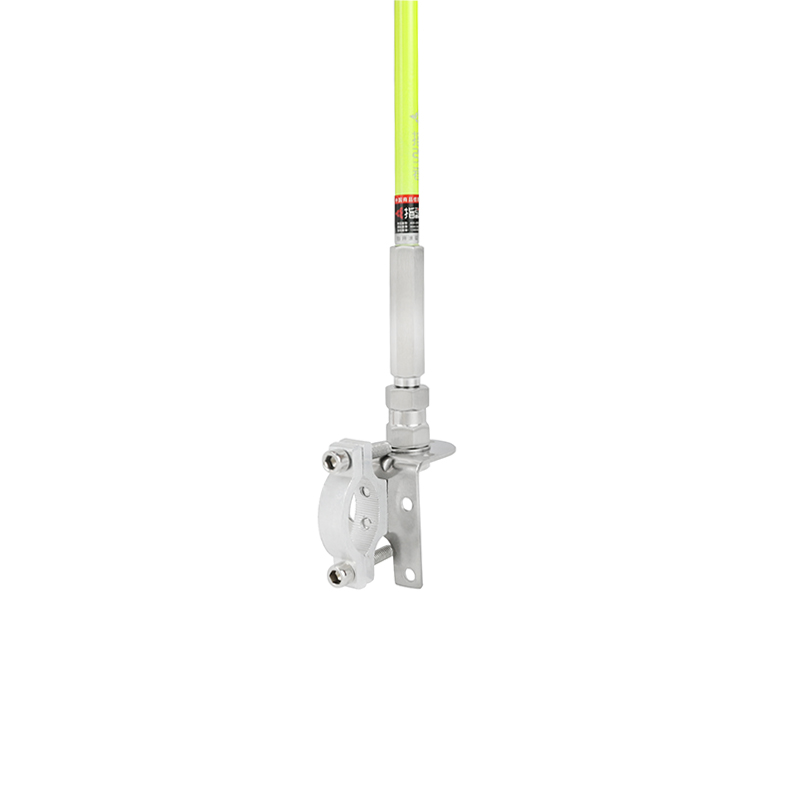
Barrel springs and heavy-duty coil bases act as dynamic shock absorbers. They sit between the flag mast and the vehicle frame. Engineers design them specifically to flex under extreme pressure. They dissipate kinetic energy before it snaps the mast. High-carbon steel coils handle repeated compression cycles efficiently. These bases prioritize flexibility over absolute vertical stability. They trade aerodynamic predictability for superior impact survival.
Performance advantages focus heavily on gear survival. Springs drastically reduce mechanical shear stress. They protect the fragile mounting bracket effectively. They save your expensive vehicle frame from tearing or bending. They survive violent, sudden impacts easily. Low-hanging tree branches and tight canyon walls pose less threat. The heavy spring bows deep backward. It recovers quickly after clearing the solid obstacle.
Implementation risks require careful attention from the driver. The dangerous whip effect poses a real threat. High-speed oscillation causes the mast to swing wildly forward. It might strike the vehicle roll cage hard. It can hit the roof or even rear passengers. Spring binding happens frequently in muddy conditions. Premature sagging occurs if your attached flag weighs too much. Heavy LED masts easily exceed standard spring tension ratings. The spring collapses entirely under heavy aerodynamic loads.
Wooded trails demand this flexible setup. Technical rock crawling requires extreme structural flexibility. Low-speed, high-obstacle environments guarantee frequent physical impacts. You need a spring base when hitting obstacles is inevitable. Rigid poles fail miserably in dense forests. Springs allow you to navigate tight brush seamlessly. They bend gracefully around solid rocks and thick timber.
Vehicle type heavily influences your final mounting decision. ATVs require shorter, significantly lighter setups. Riders often favor thin fiberglass for ATVs. You want minimal weight shifting high above the rider. UTVs handle much heavier mounting brackets. However, UTV drivers must account for roll-cage clearance meticulously. Sand rails generate massive forward speeds. They need completely rigid setups to counter extreme wind drag.
Standard polyester flags differ vastly from LED whip lights. Total weight disparity changes everything regarding base selection. A lightweight 12x18 polyester flag performs fine on a spring base. It rarely causes extreme backward oscillation. Conversely, a five-foot heavy LED mast acts differently. It may cause a light spring base to collapse entirely. It bends backward under its own weight at highway speeds. You must match the base spring rate to the mast payload.
Departments of Natural Resources (DNR) enforce strict park rules. You must verify local safety regulations constantly. Many off-road parks enforce strict minimum height requirements. You must ensure your chosen material maintains this exact height. Sagging springs fail compliance checks instantly during motion. Park rangers will ticket you if the flag droops excessively. A sagging Off Road Flag Whip renders your vehicle virtually invisible over dunes.
Vehicle Type | Primary Terrain | Recommended Base | Maximum Load Type |
|---|---|---|---|
ATV | Tight Trails / Woods | Light-Duty Spring | Standard 12x18 Polyester |
UTV | Technical Rock Crawling | Heavy-Duty Spring | Lightweight LED or Polyester |
Sand Rail | Open Desert / Dunes | Rigid Fiberglass | Heavy LED Mast |
UTV | High-Speed Desert Racing | Rigid Fiberglass | Aerodynamic Nylon Flag |
Hardware tolerances dictate overall safety system strength. Aluminum brackets flex quite differently than welded steel tabs. A rigid fiberglass pole requires a much stronger frame mount. It transfers all lateral stress directly down to the bracket. Steel tabs handle this continuous abuse much better. Billet aluminum looks fantastic visually. However, it may crack under direct, rigid strikes. You must use high-tensile steel bolts during installation. Grade 8 hardware prevents sudden shearing under heavy load.
Quick-release systems offer incredible convenience for weekend riders. You can remove your gear for trailer transport easily. Assess the reliability of quick-disconnect bases carefully. Adding springs to them introduces extra mechanical complexity. Solid, bolted mounts provide far fewer failure points. Quick-release bearings wear out rapidly over time. Fine sand and grit destroy internal locking mechanisms completely. You must clean these mechanisms after every desert trip.
Maintenance protocols keep you and your passengers safe. You must build strict inspection routines. Follow these steps regularly:
Check for tiny micro-fractures running along the fiberglass mast.
Test spring tension by bending the mast manually toward the ground.
Lubricate quick-release ball bearings using dry graphite spray exclusively.
Inspect frame mounting bolts for stress lines or thread stripping.
Replace UV-degraded resin poles immediately to prevent unexpected snapping.
Never use wet lubricants on moving parts. Oil attracts dirt instantly. Dirt creates grinding paste inside your expensive mounting hardware.
Neither base option proves universally superior across all environments. The correct choice hinges entirely on your specific riding style. Evaluate your ratio of high-speed open riding carefully. Compare it against your time spent in low-speed technical terrain. Rigid fiberglass poles completely dominate the open sand dunes. Flexible spring mounts easily conquer dense woods and technical rocks.
You must take clear action before your next off-road ride. First, audit your vehicle’s mounting tabs closely for structural cracks. Second, weigh your actual flag and mast setup precisely. Third, select the base material aligning perfectly with your primary riding environment. Ensure your choice meets all local DNR safety regulations effortlessly. Properly securing your Off Road Flag Whip guarantees maximum visibility and trail safety.
A: Yes. Many aftermarket spring bases feature standard threaded receivers. You can unscrew your rigid fiberglass pole from its fixed mount. Thread it directly into a compatible barrel spring base. Ensure thread pitches match exactly before installation. Apply thread-locking fluid to prevent vibration loosening over time.
A: Upgrade to a significantly stiffer spring rate. Stiffer coils resist extreme bending during high-speed deceleration. Alternatively, mount the base further back on the vehicle frame. Moving the mounting point rearward creates vital clearance. This prevents the mast from striking the cage during severe structural oscillation.
A: Most DNR regulations do not specify material flexibility. They strictly regulate operational height and flag size. The mast must maintain the required height while the vehicle moves. A spring base sagging excessively at high speeds violates these minimum height laws. Choose materials maintaining verticality.
A: Standard barrel springs typically support up to two pounds effectively. Heavy-duty coil bases handle up to five pounds. Exceeding these limits causes immediate aerodynamic sagging. Always weigh your LED mast before mounting it on a flexible spring. Heavy loads demand rigid mounts.


