
Views: 0 Author: Site Editor Publish Time: 2026-08-24 Origin: Site


Specifying safety accessories often lacks rigorous technical oversight. Many operators treat it as an afterthought until a unit snaps violently at speed. This failure instantly causes severe safety hazards, unexpected trail citations, or serious fleet compliance violations. A massive divide exists between recreational UTV dune riding and industrial mining fleet requirements. Both environments subject your equipment to relentless vibration, high wind drag, and harsh environmental exposure. However, their specific compliance rules and visibility demands differ drastically. We designed this article to provide a comprehensive, spec-by-spec evaluation framework. You will learn how to select high-durability equipment tailored exactly to your terrain. We will cover advanced material selection, precise height calculations, and heavy-duty mounting infrastructure. This ensures your vehicles survive the harshest conditions without recurring operational disruptions.
Material Selection: Solid, resin-infused fiberglass (typically 1/4" to 5/16" diameter) outperforms hollow tubes in preventing stress-fractures under high-speed oscillation.
Compliance Heights: Dune OHV areas and mining sites typically require the flag to reach 8 to 10 feet above ground level; specify rod length based on vehicle mounting height.
Mounting Infrastructure: Hard-mounting without a heavy-duty spring base transfers lethal kinetic energy directly to the rod, reducing whip lifespan by up to 70%.
Fleet Scalability: Standardizing on specific quick-release threading (e.g., 1/2"-20) across a fleet reduces replacement friction and downtime.
Standard, budget-friendly whips fail routinely in the field. This failure usually stems from cyclic fatigue at the base, severe UV degradation of the rod, and excessive wind-drag tearing the pennant apart. Understanding these specific failure modes helps you specify a Off Road Flag Whip that actually survives daily abuse.
The core material dictates how well the unit handles impact and high-speed oscillation. You must choose the right composition for your specific application.
Solid Fiberglass: This remains the industry standard for the best flexibility-to-strength ratio. Manufacturers infuse solid fiberglass with UV-resistant resin. It bends under heavy wind loads but snaps back without holding a memory curve. It is ideal for high-impact brush and desert environments.
Polycarbonate and LED Tubes: These are significantly heavier and far less aerodynamic than solid fiberglass. The hollow design requires internal dampening to protect the fragile circuitry from vibration. You should restrict these primarily to recreational night riding where high visibility outweighs brute durability.
Steel and Aluminium: These metals are entirely too rigid for flag applications. They pose a severe snag hazard in wooded areas. Furthermore, their stiffness transfers excessive kinetic stress directly to the vehicle frame, often tearing the mounting brackets completely off the chassis.
The fabric attached to the rod takes a massive beating from wind drag. When selecting a flag, look for heavy-duty nylon mesh or PVC-coated polyester. Ensure the design features double-stitched reinforced corners. You should completely avoid single-ply fabrics. Thin materials fray rapidly within mere weeks of highway transport or aggressive trail riding.
Many buyers ignore the actual thickness of the fiberglass blank. They measure the outside diameter, which often includes a thick layer of cosmetic heat-shrink tubing. Always verify the raw fiberglass diameter before purchasing.
Visibility serves one critical purpose: breaking the line of sight. A properly sized flag breaks the crest of a steep sand hill or a blind corner long before the actual vehicle arrives. You cannot ignore this geometry when outfitting a fleet or a recreational rig.
Most state parks and managed off-highway vehicle (OHV) areas enforce strict visibility rules. They usually require the flag pennant to sit a minimum of 8 to 10 feet from the ground. You must evaluate whether to buy a 4-foot or 6-foot rod based entirely on your mounting location. If you mount it high on a UTV roll cage, a 4-foot rod works perfectly. If you mount it low on an ATV rear bumper, you need a 6-foot or even an 8-foot rod to reach compliance.
Industrial environments face far stricter regulations. The Mine Safety and Health Administration (MSHA) and local site safety managers often dictate exact specifications. They require specific high-visibility colors, such as neon orange or lime green. They also mandate reflective X-patterns on the pennant and fixed-height requirements to ensure mixed-vehicle traffic visibility. A massive haul truck must be able to spot a small pickup instantly.
Never assume a single flag length fits every vehicle in your fleet. You must calculate the total height for every unique vehicle model.
Calculation: Vehicle Mount Height + Whip Length = Total Compliance Height.
Environment | Typical Height Rule | Preferred Pennant Material | Required Visual Elements |
|---|---|---|---|
Recreational Dunes | 8 to 10 feet above ground | Solid nylon or polyester | Bright colors, highly visible silhouettes |
Industrial / Mining | Site-specific (often 10+ feet) | Breathable PVC-coated mesh | Neon colors with reflective X-striping |
Wooded Trails | 6 to 8 feet above ground | Heavy-duty ripstop nylon | Tear-resistant borders |
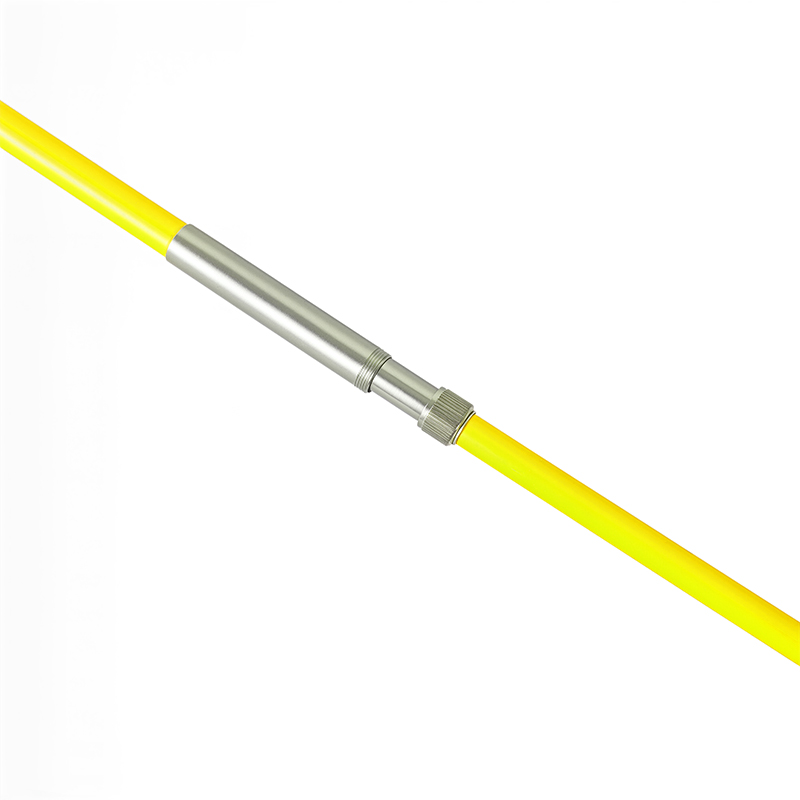
The most common failure point is rarely the fiberglass rod itself. The failure almost always occurs at the threaded base connection or the metal ferrule. Mitigating this implementation risk requires choosing the exact right hardware for your speed and terrain.
Understanding shock loading is vital to extending the lifespan of your equipment.
Rigid Mounts: These feature a solid bolt connection with zero flex. They are acceptable only for low-speed operations on very smooth terrain. Hard-mounting transfers lethal kinetic energy directly to the base of the rod.
Heavy-Duty Barrel Springs: These are absolutely mandatory for high-speed UTVs and heavy-duty mining trucks. A thick steel barrel spring absorbs the massive shock loading from jumps, potholes, and branch strikes. This flex prevents the fiberglass from shattering violently at the metal ferrule.
Quick-disconnect systems offer immense convenience but introduce potential points of failure if specified incorrectly.
Pros: They are essential for parking vehicles in low-clearance garages. They also make enclosed trailer transport much easier and allow for rapid fleet maintenance.
Cons: Cheap, friction-based aluminium QDs use tiny ball bearings. Fine sand, mud, and dust easily penetrate these bearings, causing them to seize permanently.
Specify stainless steel hardware over aluminium whenever possible. Look for interlocking designs or heavy-duty positive-locking pins. These mechanisms easily clear out mud and dust, ensuring smooth operation even in the harshest desert or mining environments.
Operating in low-light conditions changes the visibility equation entirely. You must balance high visibility against the inherent fragility of electronic components.
There are two primary ways to illuminate your Off Road Flag Whip.
External Spotlighting: This involves aiming a high-output pod light directly at a traditional fiberglass whip equipped with a reflective pennant. This method offers supreme reliability. It introduces zero moving electronic parts onto a highly vibrating surface.
Internal LED Whips: These use fiber optics or SMD LED strips wrapped inside a polycarbonate tube. They provide incredible 360-degree visibility for dense dust or night riding. However, they introduce significant wiring complexity. They create new failure points, including water ingress and severed internal wires from constant flexing.
If you choose internally illuminated models, you must assess their environmental protection strictly. Look for IP67 or IP68 waterproof ratings for both the controllers and the inline connectors.
For large-scale fleet rollouts, demand standardized waterproof pigtails. Deutsch DT connectors are the industry gold standard. They ensure easy, plug-and-play swap-outs during field maintenance without ever requiring technicians to splice wires in the mud.
Buying flags piecemeal creates maintenance headaches. Standardizing your procurement process ensures operational efficiency and reliable safety compliance across your entire group or fleet.
You must prioritize features based entirely on where the vehicles operate.
Timber and Brush Trails: Prioritize maximum flexibility and tear-resistant pennants.
Open Sand Dunes: Prioritize maximum height and UV-resistant resin coatings.
Mining and Construction: Prioritize heavy-duty spring bases and mesh pennants with reflective striping.
Ensure every single unit you purchase utilizes the exact same base thread pitch. The industry standard is commonly 1/2" x 20 TPI (Threads Per Inch). Standardizing this specific dimension makes all bases, springs, and rods completely interchangeable across your fleet or riding group. This drastically reduces the number of spare parts you must keep in inventory.
Do not simply buy the cheapest option available. Request detailed warranty data regarding high-speed snapping. A reputable vendor understands the kinetic limits of their materials. Verify the actual thickness of the fiberglass blank. A thicker blank inherently survives higher wind speeds and harsher impacts.
Specifying durable off-road safety equipment requires actively managing kinetic energy and severe environmental exposure.
Invest upfront in solid, resin-infused fiberglass rather than cheap, hollow plastic tubes.
Always pair your rods with stainless steel quick-releases and heavy-duty barrel spring bases to eliminate recurring trailside failures.
Assess your exact mounting points today. Measure the vertical distance from the ground to the mount to calculate your required compliance length accurately.
Standardize your threaded bases across all vehicles to simplify future maintenance and part swapping.
A: While local OHV rules vary, a universally accepted benchmark is that the top of the flag must reach at least 8 to 10 feet above ground level. You must measure from the ground up, not just the length of the rod itself.
A: Yes, if you operate at high speeds, drive through heavy brush, or traverse rough terrain. A barrel spring base absorbs severe shock loads. This mechanical flex significantly extends the life of the fiberglass rod by preventing stress fractures at the base.
A: It depends strictly on site-specific regulations. Many industrial sites require non-illuminated, high-visibility mesh flags with highly reflective striping for daytime operations. LED strips are often harder to see in direct sunlight compared to neon fabrics.
A: Fine sand and dust quickly penetrate the tiny ball bearings found inside budget aluminum quick-disconnects. You should switch to stainless steel hardware that utilizes a positive-locking pin or a coarse-thread design. These handle harsh, dusty environments much better.


