
Views: 0 Author: Site Editor Publish Time: 2026-07-30 Origin: Site


Hitting the trails requires more than just horsepower; it requires maximum UTV visibility for safety. Staying seen prevents tragic collisions over blind crests. It also ensures you meet stringent off-road park regulations. Riders often face a tough dilemma when upgrading their rigs. You must balance the rugged daytime compliance of traditional setups against the brilliant nighttime aesthetics of illuminated poles. Making the wrong choice can lead to snapped equipment or ruined weekend plans. This guide breaks down the core differences between these essential accessories. You will discover a terrain-based decision framework to choose the perfect setup. Read on to avoid overspending and prevent frustrating compliance fines on your next ride.
Understanding the basic engineering of UTV accessories prevents costly purchasing mistakes. Off-Road Whip Flags and illuminated poles serve similar safety purposes but use vastly different mechanics. They cater to completely different environmental hazards.
Let us examine the traditional setup first. These products consist of highly flexible fiberglass rods. Manufacturers typically size them between 1/4-inch and 5/16-inch thick. They remain mechanically simple. You will find zero wiring inside them. They rely entirely on physical high-visibility fabric pennants. Their primary function focuses on daytime line-of-sight visibility. They help other drivers spot your vehicle over tall crests and steep sand dunes.
Illuminated setups take a highly technical approach. These poles contain dense LED strips. Manufacturers encase these strips in rigid polycarbonate tubes. Some brands use flexible EVA shrink tubing instead. This design requires complete electrical integration. You must connect them to 12V power sources using wiring harnesses and relays. Their primary function focuses on 360-degree illumination. They pierce through heavy dust during night riding. They also help large groups identify each other in total darkness.
Below is a quick reference comparison detailing their core attributes.
| Feature Category | Traditional Setups | Illuminated Setups |
|---|---|---|
| Material Construction | Solid fiberglass rods | Polycarbonate or EVA tubing |
| Power Requirement | None (Zero wiring) | 12V electrical system |
| Primary Visibility | Daylight (Visual fabric) | Nighttime (LED output) |
| Flexibility Limit | High (Up to 180 degrees) | Low to Moderate |
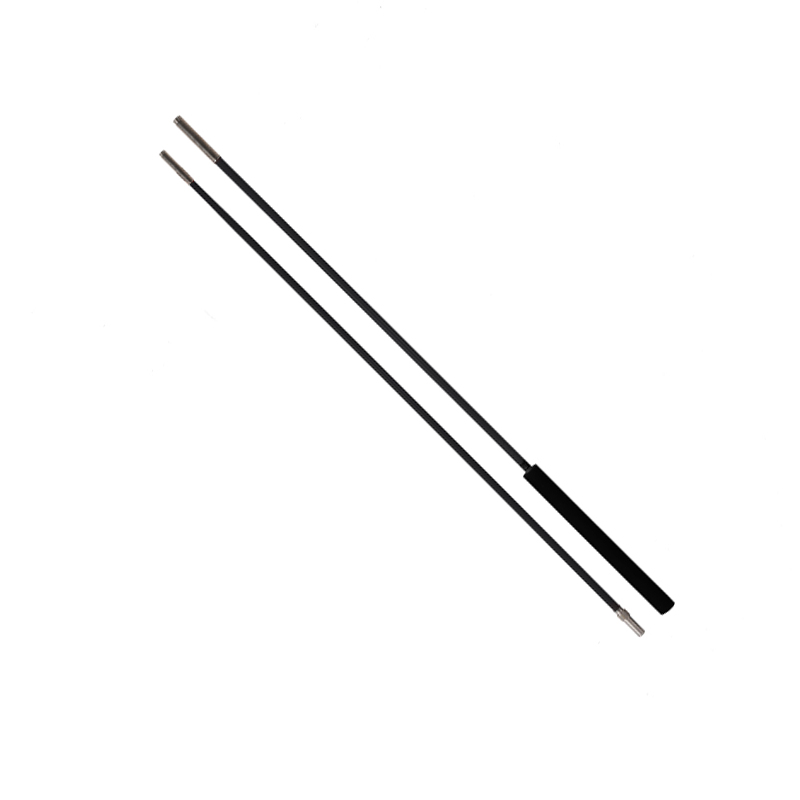
Many veteran riders swear by simple fiberglass setups for tough terrain. They offer unmatched durability in deep woods. Standard fiberglass construction bends up to 180 degrees without breaking. This extreme flexibility proves critical on tight trails. These poles easily survive heavy impacts against thick branches. They even survive vehicle rollovers.
Budget-conscious riders appreciate the favorable cost-to-replacement ratio. These models present a significantly lower barrier to entry. Accidents happen on aggressive trails. Replacing a snapped fiberglass rod costs very little. It represents just a fraction of the cost required to replace an entire LED module.
Simplicity brings immense reliability. Off-Road Whip Flags eliminate all electrical failure points. You will never experience dropped Bluetooth connectivity. You will not deal with corroded quick-release power pins. Furthermore, they create zero parasitic drain on your UTV stator. Your battery remains fully charged during long storage periods.
Who benefits most from this traditional approach? East Coast trail riders find them perfect. Mud boggers prefer them because thick mud ruins LED visibility anyway. Strictly daytime drivers also fall into this ideal buyer category. They simply do not need nocturnal lighting features.
Nocturnal riding changes the safety equation entirely. Unlit fabrics disappear once the sun drops. Illuminated poles offer superior nighttime and dust visibility. Their bright LEDs pierce through heavy dust trails effectively. They cut through absolute darkness to keep your vehicle seen from miles away.
Modern illuminated units offer advanced safety features. They do more than just glow in a single color. Many high-end units integrate directly into your vehicle wiring. They sync up seamlessly with your brake lights and turn signals. This integration significantly enhances convoy safety. Following drivers instantly know when you apply the brakes.
However, you must consider the fragility factor as a serious trade-off. Manufacturers often market polycarbonate tubes as highly flexible. Yet, every tube has a definitive breaking point. These rigid structures remain prone to snapping at the base. They often shear off cleanly when striking solid overhead obstacles.
The ideal buyer for these glowing poles operates in open environments. Sand dune riders at locations like Glamis or Little Sahara need them. Dedicated night riders consider them mandatory equipment. Wide-open desert racers also rely heavily on their intense light output for high-speed safety.
Choosing your ideal setup requires a methodical approach. You cannot simply pick the most attractive option. You must evaluate your regular riding environment. The following matrix will guide your purchasing decision based on three critical factors.
Your surrounding environment dictates your equipment survival rate. Wide-open dunes and vast desert expanses demand maximum height. Riders often require poles exceeding six feet tall in these areas. You need extreme illumination to prevent side-impact collisions. LED models truly excel in these open topographies.
Wooded trails present a completely different challenge. Low branches constantly assault your roll cage. Wooded environments require maximum equipment flexibility. A rigid six-foot tube will snap almost immediately here. Therefore, a four-foot traditional model generally represents the safest investment for forest riding.
You must address the legal reality of off-road vehicle parks. State-managed lands and private parks heavily regulate safety equipment. They often strictly dictate flag colors to ensure uniformity. Most regulations require high-visibility safety orange or bright red. They also mandate minimum physical dimensions, typically measuring 6 by 12 inches.
Many riders misunderstand these compliance laws. Clarify this rule before heading to the staging area. Running an illuminated pole without a physical fabric attachment usually violates daylight rules. An unflagged tube does not legally substitute for a fabric pennant during the daytime. Rangers will often issue citations for this specific oversight.
Adding electrical accessories requires careful capacity planning. You must assess your UTV stator capacity before installation. Base model side-by-sides often possess limited electrical output. Adding dual six-foot LED poles creates significant current draw. You might overload the system if you run light bars, stereos, and winches simultaneously.
Evaluate your quick-release mount designs carefully. Manufacturers offer various locking mechanisms. Spring-loaded ball-bearing bases operate quickly. However, they remain highly susceptible to sand jamming. Fine dust easily locks the collar in place. Threaded bases take slightly longer to unscrew. Yet, they handle muddy and sandy environments much better.
Brand reputation matters greatly in the off-road accessory market. Marketing claims often sound much better than reality. You must scrutinize the fine print before buying expensive equipment. Thorough research prevents buyer remorse when trail damage occurs.
Start by evaluating so-called lifetime warranties carefully. You must understand what constitutes a genuine manufacturer defect. Most companies cover dead diodes or faulty controller boards. However, user error remains explicitly excluded. Snapping your expensive illuminated pole on a thick oak branch rarely qualifies for warranty replacement. Read the exact terms carefully.
Next, analyze the controller ecosystems provided by different brands. Companies use either radio frequency (RF) remotes or Bluetooth smartphone apps. RF remotes provide simple, instant control. Bluetooth apps offer millions of color combinations. However, apps often require cell service to download updates. Factor in the total lack of cell service on remote trails before relying solely on an app.
Finally, inspect the base mount engineering rigorously. The base represents the most common failure point for rigid poles. Look for brands utilizing premium materials for their quick-disconnect bases. Solid stainless steel or machined billet aluminum prevents catastrophic shearing. Avoid cheap cast-pot metals. They will inevitably crack under high-speed vibration.
Every rider prioritizes different features based on their distinct style. The optimal choice balances safety, terrain limits, and personal budgets. Review these specific recommendations to find your ideal match.
We must reiterate that trail visibility remains completely non-negotiable. However, the exact method you choose depends entirely on your surrounding environment. Wooded trails demand flexibility, while dark dunes require intense illumination. Make your choice based on survival rather than pure aesthetics.
Take an actionable next step today. Measure the overhead clearance of your most frequently driven trails. Check the specific printed regulations of your most-visited local off-road park before purchasing anything. A quick phone call to a park ranger saves considerable hassle later.
Finally, we encourage buyers to prioritize solid base-mount quality. Do not get distracted by overly complex dancing light patterns. A basic color scheme mounted on a billet aluminum base outlasts a fancy app controlled by cheap plastic hardware.
A: Generally, no. Most regulated OHV areas and state parks strictly require a physical fabric flag. These pennants must meet specific dimensions, such as 6 by 12 inches. A bare illuminated pole without attached fabric often violates daytime compliance regulations and may result in fines.
A: Yes, you can. Most modern illuminated poles come equipped with adjustable mounting rings or carabiner clips. This exact feature allows you to attach a standard fabric pennant. It provides a perfect hybrid solution for daytime legal compliance and nighttime illumination.
A: They can cause parasitic draw. Bluetooth controllers continuously search for a signal even when the lights appear off. You must wire the system directly to a keyed accessory post. Alternatively, route the power through a physical rocker switch to cut the circuit entirely.
A: It depends on your terrain. A 4-foot length works best for wooded trails. It minimizes impacts with low-hanging branches. A 6-foot length proves ideal for sand dunes. The taller height ensures you remain visible over steep crests, reducing the risk of collisions.


