
Views: 0 Author: Site Editor Publish Time: 2026-08-31 Origin: Site


You finally arrive at the trailhead after hours of driving. You unload your rig, eager to ride, only to be turned away by a park ranger. Why? Your safety equipment fails to meet strict local regulations. Regulations for an Off Road Flag Whip vary wildly across different terrains. Open sand dunes require massive height to ensure visibility. State-managed OHV parks focus heavily on flag dimensions. Meanwhile, industrial and mining sites enforce heavy-duty safety protocols. Navigating these rules often feels confusing and frustrating for OHV owners and fleet managers alike.
This guide strips away the marketing noise completely. We provide objective compliance frameworks, technical evaluation criteria, and practical mounting best practices. You will learn exactly how to match your gear to regional laws. Read on to ensure you buy the right equipment the first time, avoid costly fines, and guarantee uninterrupted site access.
Height Requirements Vary: Most recreational dunes require whips to extend 8 to 9 feet from the ground, while industrial sites often mandate 10 to 12 feet.
Color & Size Matter: High-visibility safety colors (solid orange or red) and specific pennant dimensions (typically 6"x12" or larger) are standard legal baselines.
Daytime vs. Nighttime: Standard brightly colored flags are required for day use, but many regions now mandate illuminated LED whips for night riding.
Mounting Dictates Compliance: A compliant whip mounted too low on the chassis may still result in a citation; top-roof mounting is the safest approach.
Compliance is not merely a suggestion. It serves as a rigid barrier to entry across recreational and commercial riding areas. Failing to meet local safety standards carries real-world consequences. Rangers will issue immediate ejections from public parks. Law enforcement hands out costly citations. Fleet managers face severe safety violations. You must treat this equipment as mandatory safety gear.
Understanding the physics of off-road safety highlights why these rules exist. Picture yourself driving up a steep sand dune. You cannot see the vehicle approaching the same crest from the opposite side. In these blind-spot scenarios, the safety flag becomes the only visible indicator of an oncoming vehicle. This geometry applies equally to deep open-pit mines and dense forest trails. The extra height gives everyone a crucial few seconds to react.
Many riders confuse legal compliance with aesthetic appeal. Custom aesthetic whips look fantastic at car shows. However, they frequently fail strict compliance checks. Buying an Off Road Flag Whip based on looks alone often leads to failed inspections. To establish a safe environment, you must prioritize legally compliant warning features over flashy designs. Stick to standardized colors and certified heights. Save the purely decorative accessories for private property.
Every riding environment presents unique hazards. Regulators tailor their safety rules to match these specific terrain challenges. You must research your destination before packing your gear.
Open sand dunes feature massive elevation changes and high-speed traffic. These environments demand maximum visibility from all angles.
Requirements: Parks usually mandate a minimum height of 8 to 9 feet. Officials measure this from the ground to the tip of the mast.
Flag Specs: You need a solid red or orange rectangular pennant. The fabric must be no smaller than 6x12 inches.
Night Riding: Many dunes now mandate an illuminated whip. Alternatively, you must mount a dedicated safety light at the highest point of the vehicle.
Wooded trails introduce low-hanging branches and dense canopies. Extreme height becomes a liability here, so rules shift focus accordingly.
Requirements: Forestry rules are often less focused on extreme height due to tree canopies. However, they strictly enforce the presence of a safety flag for all ATVs and UTVs.
Flexibility Rules: You need tapered or highly flexible rods. These materials survive violent branch impacts without snapping in half.
Commercial work sites prioritize extreme durability. Heavy machinery operates alongside smaller utility vehicles, creating severe blind spots.
Requirements: These sites are governed by OSHA or local transport regulations, such as Marin County public works equivalents. They almost always require heavy-duty (HD) whips.
Height & Specs: Sites can require 10 to 12-foot total heights. You may also need specific reflective X-patterns on the flag. Many rules mandate integration with vehicle safety lighting systems.
Not all safety equipment features the same build quality. You must evaluate the raw materials and design choices to ensure long-term durability.
The core of your whip determines how it handles stress. Standard fiberglass provides excellent rigidity. It stands straight up at high speeds, making it good for open dunes. However, rigid fiberglass is highly prone to snapping in the woods. Resin-infused or tapered materials offer high flex. They bend flat under pressure and easily survive direct tree strikes. We highly recommend tapered designs for trail riders.
You must balance transport convenience against structural integrity. Two-piece whips are much easier to transport to the trailhead. They fit nicely inside standard truck cabs. Unfortunately, they introduce a mechanical weak point at the connection joint. This joint can fail during aggressive riding. One-piece designs offer unmatched durability but require roof racks for transport.
The trend of LED illumination continues to grow rapidly. They look great and provide excellent night visibility. However, you must pay attention to daytime rules. An LED whip without a physical colored pennant attached often fails daytime compliance checks. Heavily regulated areas require the fabric flag regardless of how bright your LEDs shine.
Whip Specification Comparison Chart
Design Type | Primary Benefit | Best Terrain | Common Mistake |
|---|---|---|---|
Rigid Fiberglass | Stays upright at high speeds | Open Sand Dunes | Using them in dense forests where they snap. |
Tapered Resin | Extreme flexibility | Wooded OHV Trails | Assuming they will stay perfectly straight on the highway. |
Two-Piece Rod | Easy transportation | Recreational Riding | Buying cheap aluminum joints that rattle loose. |
LED Integrated | Nighttime visibility | Dunes & Night Trails | Forgetting to attach the physical daytime fabric pennant. |
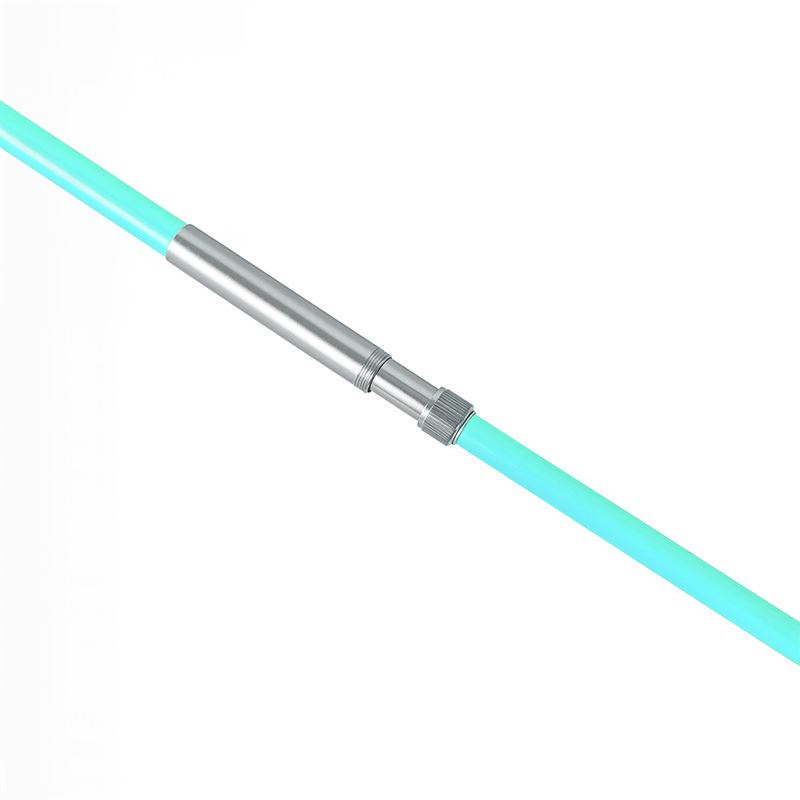
Purchasing the correct rod length solves only half the problem. Your mounting location dictates your final legal height. Regulators measure from the ground up, not from the mounting bracket up.
Buying an 8-foot whip never guarantees automatic compliance. If you mount it on your rear bumper, the tip might only reach 9 feet total. If the law requires 10 feet, you will receive a citation. You must measure carefully before finalizing your installation.
Consider these popular mounting locations:
Roof/Roll Cage Mounts: This is the absolute best option for achieving height. You can use a shorter, less obtrusive whip while easily clearing the 9-foot requirement.
Bed/Bumper Mounts: These locations require significantly longer whips to reach the legal 8-9 foot minimum. A longer whip increases the fulcrum stress on the base. This leverage can tear sheet metal over rough terrain.
You also need to think about quick-release systems. If you park in a garage or use an enclosed trailer, you cannot leave a tall whip attached. Quick-disconnect bases represent an operational necessity. We strongly recommend specific locking mechanisms, such as billet aluminum collets. Avoid cheap friction fits. Friction mounts often fail on washboard roads, sending your equipment flying into the vehicle behind you.
Choosing the right gear requires matching the specifications to your exact use case. Use this framework to narrow down your options quickly.
For the Dune Rider: You need to prioritize extreme visibility. Aim for strict 9-foot compliance. Look for rigid bases and LED integration for mandatory night rides.
For the Trail/Woods Rider: You must prioritize extreme rod flexibility. Choose snag-free flag mounts. A quick-release base is essential for navigating low-clearance trailheads.
For the Commercial/Fleet User: You should prioritize B2B industrial-grade specs. Demand reflective, high-vis materials. Always use robust fixed mounting hardware rather than quick-disconnects.
You must also balance cost versus lifespan. Entry-level $20 whips exist everywhere. However, they frequently splinter, fade, or lose flags entirely at highway speeds. You get what you pay for. We recommend mid-to-high-tier options ranging from $60 to $150. These premium models offer UV-resistant coatings and heavy-duty bases. Investing upfront prevents dangerous mid-ride failures and keeps you out of trouble with regulators.
When you secure a premium Off Road Flag Whip, you invest in peace of mind. Your equipment will survive the elements, pass inspections, and keep your vehicle visible to everyone.
The correct flag equipment represents a critical piece of functional safety gear first, and a vehicle accessory second. Regulators enforce these height and visibility rules to prevent fatal collisions in blind terrains. You cannot afford to treat compliance lightly.
Before making a purchase, always check your specific state park or municipal regulatory website. Local rules change frequently. Next, grab a tape measure. Measure the distance from the ground to your intended mounting point. Subtract that number from the local height requirement to calculate the exact rod length you need. Taking these simple steps ensures you spend your weekend riding instead of arguing with a park ranger.
A: Yes, but only if they also fly a legally sized, solid red or orange safety pennant. The LEDs alone do not meet daytime visibility laws in most jurisdictions. Rangers will ticket you if the fabric flag is missing during daylight hours.
A: Most regulations measure from the ground to the very tip of the mast. Measure your mounting point's distance from the ground. Then, add the length of the whip to ensure it hits the 8 or 9-foot requirement before heading to the trails.
A: The best method is utilizing quick-release bases and specialized roof-rack mounting clips. This keeps them secure outside the cabin. Alternatively, we highly recommend a two-piece tapered design for easy interior storage if you lack a roof rack.


